A platform built on surgical instrument insight
Using computer vision, Lynqo turns surgical instrument activity into operational insight, supporting set verification, optimisation and surgical planning.





Untapped insight across OR and CSSD
Hospitals rely heavily on manual checks and fragmented systems to manage surgical operations and downstream processes. While surgical instruments play a central role in every procedure, their actual use remains largely invisible as a source of operational insight. As a result, hospitals miss opportunities for:
- Reliable confirmation of complete instrument sets after surgery
- Reduced rework and checks in the Central Sterilisation Department (CSSD)
- Proactive coordination and surgical planning
- Insight into actual instrument use for continuous optimisation
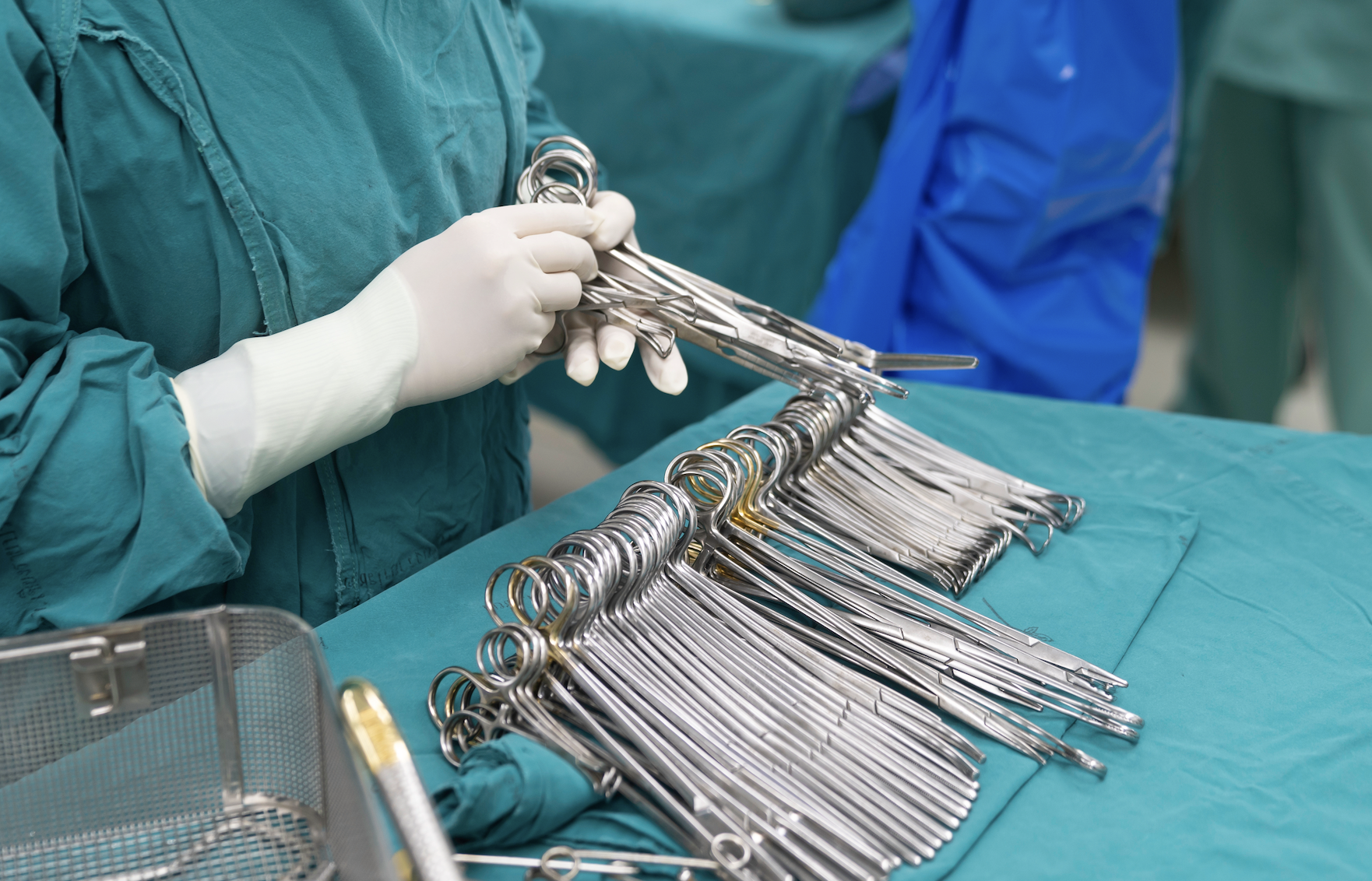
Our approach
Instead of relying on manual checks, self-reporting or observing people, Lynqo uses surgical instruments as a neutral and reliable source of operational insight. Instrument use follows the actual flow of surgery and reflects what is truly happening in the operating room.
By applying computer vision to surgical instrument activity, Lynqo unlocks insight that can be reused across multiple processes, from post-operative set verification and optimisation to surgical planning and operational decision-making. One data source, multiple gains.

How our solution works
Lynqo uses computer vision to observe how surgical instruments are used during a procedure and translates this activity into actionable insights.
Observe instrument use in the OR
Surgical instrument use is observed during the procedure, creating an objective record of what happens at the instrument tables, without recording people.
Understand what is being used
Instrument interactions are interpreted to identify which instruments are used, in what sequence, and during which part of the procedure.
Turn use into actionable insight
The system converts activity into clear usage data that helps hospitals streamline sets and reduce unnecessary reprocessing.
Support decisions across OR and beyond
Usage data integrates with OR and CSSD systems to improve preparation, reprocessing, and ensure sets return fully and consistently.
Results you can measure
By observing instrument activity during surgery, hospitals gain measurable improvements in reliability, workload and operational decision-making.
Improved set reliability
Confirmation that instrument sets are complete at the end of a procedure, reducing uncertainty and preventing downstream issues for subsequent surgeries.
Reduced manual work
Verified instrument status after surgery reduces manual counting in the operating room and manual rechecks in sterilisation.
Data-driven planning and set optimisation
Structured insight into instrument usage enables better operational planning and evidence-based optimisation of instrument sets.
Access our market report
Four blind spots in surgical instrument management reveal hidden losses across surgical workflows.
Discover 4 blind spots in instrument management, based on field research in European hospitals.
We’ve conducted field research in collaboration with hospital staff, supported by academic insights from one of our cofounders. This report highlights four Blind Spots in surgical instrument management that lead to hidden losses in time, cost, and sustainability.
Read our
latest articles





Turn instrument insights into operational action
A platform that connects surgical instrument activity to coordination, planning and operational efficiency.